Transforming Luxury Living by Creating Mindful Communities

Transforming Luxury Living by Creating Mindful Communities
Most residential developments are sold on two things: location and price. Lamose Group works from a different brief. Its projects are planned around what happens after possession, when the marketing has moved on and residents are living with decisions the developer made three years earlier.
That shows up in how the company plans. Shared spaces get programmed rather than simply built. Facilities get staffed. Sites are laid out so that a family buying at thirty still finds the place workable at fifty.
Lamose's vision
The company operates under a straightforward long-term principle: Building for Generations. This is less a marketing line than a working constraint. If a development is intended to serve a family across decades, it has to be planned and built at a standard that can actually support that use.
Thinking beyond the immediate sale means asking whether the spaces being designed will still function well when the residents' needs change. When children grow up. When parents retire. When a household that looked one way at purchase looks quite different ten years on. Lamose treats these as design questions, not afterthoughts.
A new perspective on luxury
Luxury in residential development has a reputation for meaning price. For Lamose, it means something more practical: the quality of daily life inside the community.
That shows up in the details. Thoughtful spatial planning that allows light and air to move through a home. Construction quality that holds over time without demanding constant maintenance. Layouts that are genuinely usable rather than designed to photograph well. Locations that make sense relative to how residents actually move through the city.
Expensive and well-considered are not the same thing. Lamose aims for the latter, with the understanding that a home which ages well is a better long-term investment than one that looks impressive at launch and deteriorates quietly afterward.
Creating communities, not just residences
A residential project does not exist in isolation. The environment around a home shapes daily life in ways that the home itself cannot. The quality of shared spaces, the range of facilities and the kind of community that forms around them all influence how residents actually experience where they live.
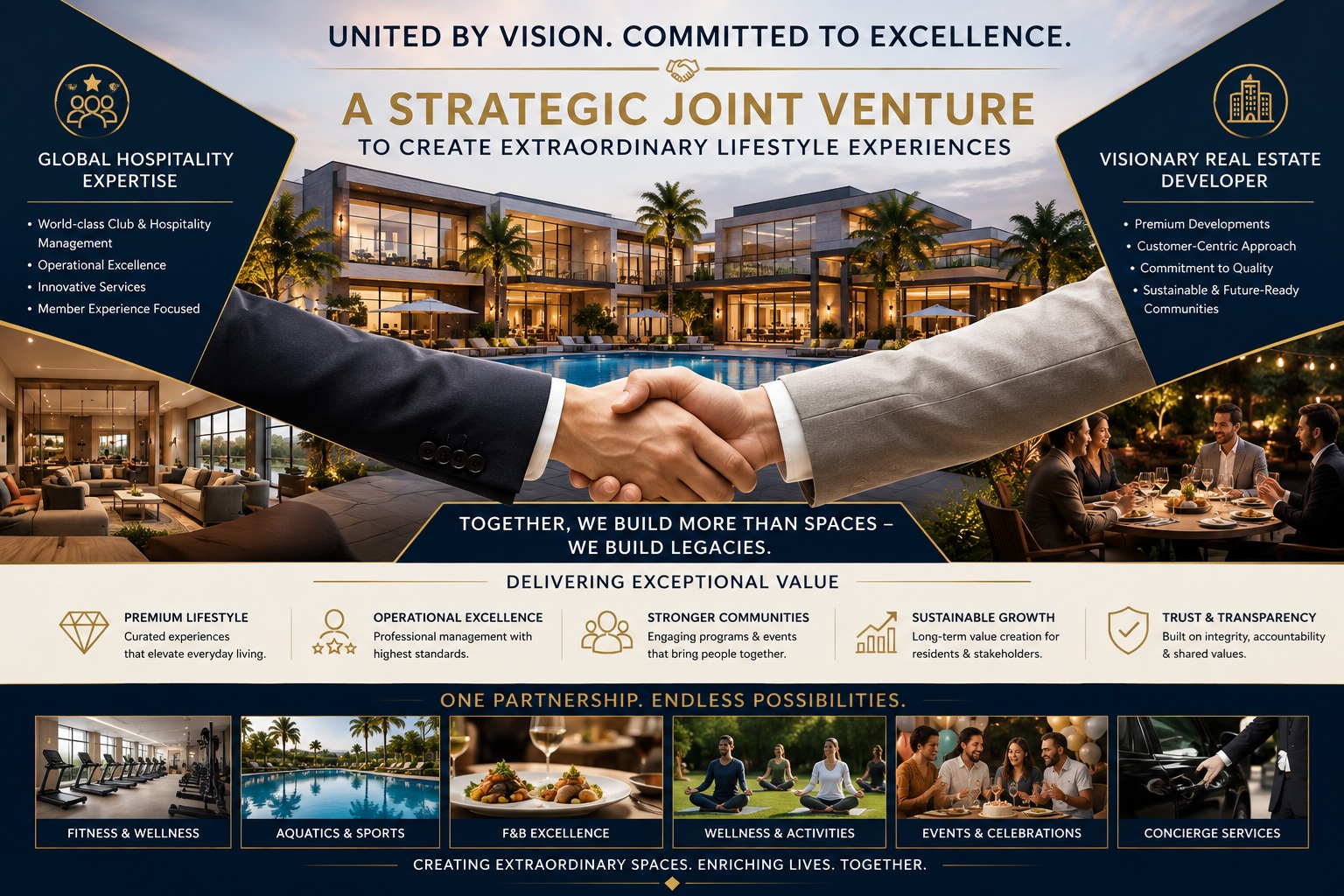
Lamose builds with this in mind. Its developments combine different functions of residential life: wellness infrastructure, recreational facilities, social spaces and areas designed for both activity and quiet. The intention is that residents can meet most of their daily needs without leaving the development and that the development itself becomes a meaningful part of how they live.
Sustainability is a working principle rather than an add-on. Rain harvesting systems, solar roof structures, EV charging points and environmentally conscious site planning are built into projects from the start. A development genuinely intended for the long term should account for the fact that the world its residents live in will continue to change.
Tailored to various needs
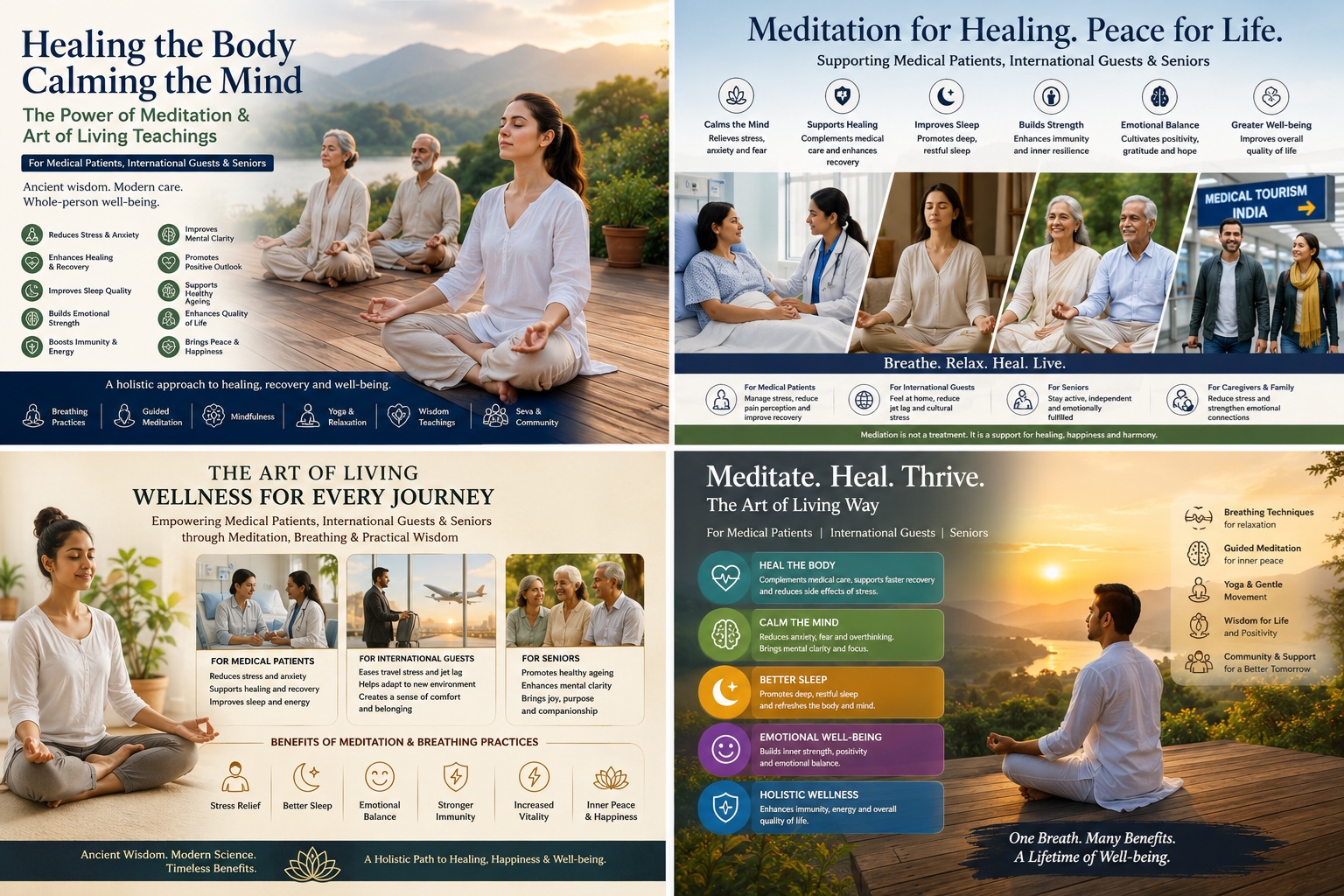
Different residents have different requirements and those requirements shift over time. A young professional moving in at purchase may have different priorities at forty than at twenty-five. A family with children needs spaces that will still work for them a decade from now. Senior residents may need accessibility features, health-oriented amenities and genuine opportunities for social engagement.
Lamose's approach to community design attempts to account for this range across the lifecycle. Social zones for younger residents, family-friendly common areas and health infrastructure for older residents all coexist within the same development. The aim is to build environments that do not become obsolete as the population inside them changes.
This is what the company means by building for generations. It is not only about the quality of the materials. It is about whether a community remains a place people want to be across the full arc of a resident's time there.
Gratitude84: the concept in practice
Gratitude84 illustrates how this thinking translates into a specific project. The development combines residential space with elements of senior living, hospitality infrastructure, health facilities and community programming.
What this produces is less a conventional residential complex than an integrated environment. The idea is that the space around the home is as much a part of the living experience as the home itself. Residents are not simply acquiring a flat; they are entering a community designed to support a particular way of living across time.
The project reflects Lamose's view that the most successful residential developments are those where the surrounding infrastructure makes the physical home worth more, not just financially but in terms of how it feels to live there day to day.
Beyond real estate
Lamose's stated purpose extends beyond its buildings. The company supports initiatives related to women-led businesses, elderly care programs and scholarship funding. These are treated as part of the same principle that drives its development work: a company building for the long term carries responsibilities to the communities it operates within, not only to the buyers it sells to.
Value, in this reading, is not only about property appreciation. It is also about what a development contributes to the neighbourhood and city around it.
Building for generations
A house purchased today may serve a family for thirty or forty years. Decisions made during planning and construction will affect people who have not yet moved in and communities whose character will take years to fully emerge.
Lamose's position is that this long horizon should be the operating context for every decision, not something considered only at the marketing stage. A development built to impress at launch is a different thing from a development built to remain genuinely livable for the people who inhabit it across time.
The Lamose difference
What distinguishes Lamose in a market where most developers compete on price, location and amenity lists is the consistency of its underlying position. Luxury as quality of life rather than cost. Community as something that has to be designed rather than assumed to emerge on its own. Sustainability as a practical requirement rather than a selling point. Long-term value as the actual measure of whether a development has succeeded.
A home is one of the most significant decisions a person makes. Lamose's approach is built on the understanding that it is also a long-term one and that the developers who take that seriously build differently from those who do not.
Frequently Asked Questions
What does Lamose mean by "Building for Generations”?
Lamose’s answer is that Lamose wants to plan and build places that can support people as they grow and their needs shift at every stage of life.
How does Lamose approach luxury residential development?
Lamose says that luxury is, about how good life feels each day not how much it costs or how it looks. Lamose builds with planning, strong construction, sensible layouts, health and fitness areas and shared community rooms.
What is Gratitude84?
Gratitude84 is a Lamose project that blends homes with living a hospitality feel, health care spaces and community programs.