Transformation of India’s Advanced Medical Capabilities into a Global Medical Value Travel Hub.

Transformation of India’s Advanced Medical Capabilities into a Global Medical Value Travel hub.
The lower cost of medical treatment in India is not merely the only high point to attract the global medical tourists. The perfect blend of pre-operative Medi-care, advanced medical treatment followed by post operative recovery is a great proposition for patients from all over the world. This sophisticated combination offers skilled and trained nursing staff, world class hospitals, modern accommodation and array of specialized physiotherapists.
This unique combination of medical ecosystem is rapidly transforming India into a popular medical tourism destination. The concept of hospital linked medically suitable serviced apartments and specialized senior living projects are rapidly becoming an important real estate asset class in India.
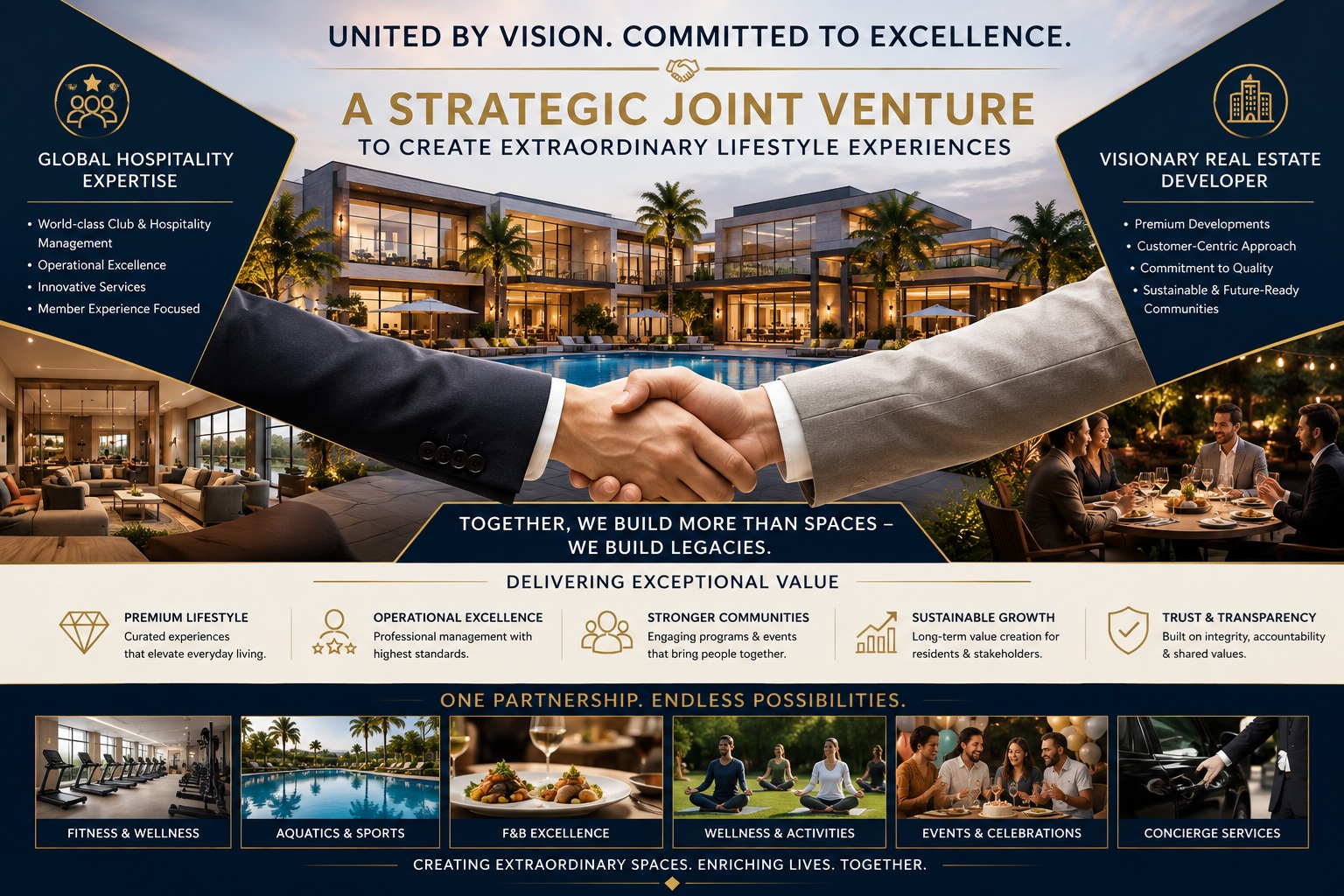
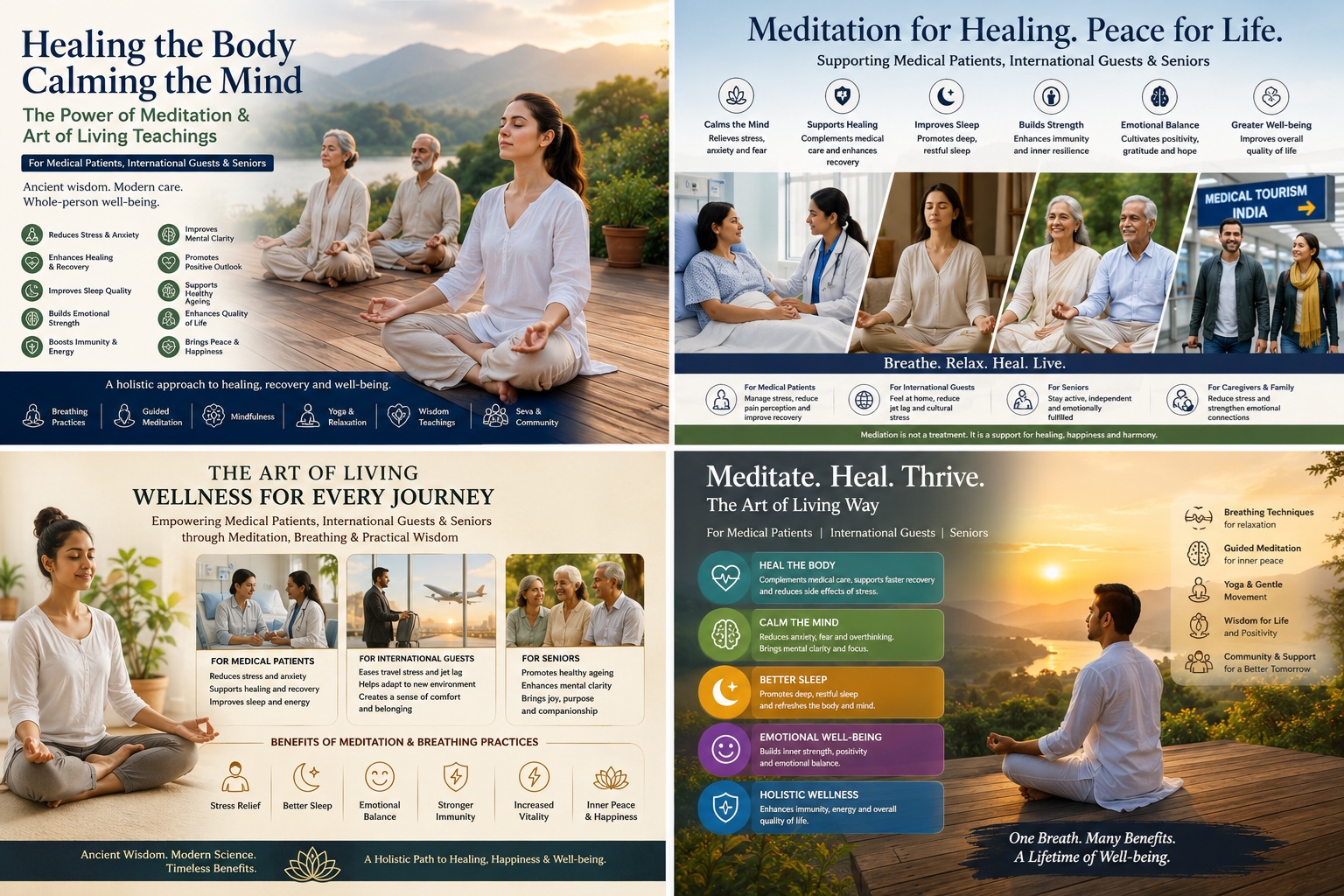
Today, the argument is not limited to the skilled Indian doctors and their unparallel and enviable exposure to modern medical technology alone. For last over four decades Indian doctors have earned a reputation of dependability at an unmatched cost. Coupled with modern hospitals and international standard real estate is equally important. Lamose Gratitude84 is one such ecosystem where modern hospital, senior living operators, managed serviced apartment operators, club house operator, social wellness and yoga specialists come together to gravitate the concept of “heal in India.”
Lamose Gratitude84 is a sprawling senior living project spread across approximately 2 acres with highly specialized 208 luxury apartments. Lamose Gratitude84 is positioned as an ecosystem where these key medical services are seamlessly stitched together for the benefit of the residents. Recent government and industry data clearly reflect the growing possibilities this shift. India’s medical tourism market is estimated at about US$8.7 billion in 2025 and projected to reach US$16.2 billion by 2030, while more than 507,000 foreign nationals arrived in India specifically for medical treatment in 2025.
1. India is moving from “low-cost healthcare” to “high-value healthcare”
The old international perception was:
“India offers good treatment at a lower price.”
The emerging perception is:
“India can deliver sophisticated treatment, by highly experienced specialists, at exceptional value.”
This distinction is extremely important. Indian hospitals increasingly offer super-specialty capabilities in areas such as:
- > Cardiac sciences and complex cardiac surgery
- > Oncology and precision cancer treatment
- > Neurosurgery
- > Organ transplantation
- > Bone marrow transplantation
- > Robotic and minimally invasive surgery
- > Orthopaedics and joint replacement
- > Fertility and reproductive medicine
- > Ophthalmology
- > Bariatric surgery
- > Advanced diagnostics
- > Critical care and emergency medicine
Government
health programmes themselves now encompass sophisticated specialties such as
oncology, neurosurgery and cardiovascular surgery, while high-end procedures
such as bone-marrow transplantation have entered India's broader healthcare
delivery ecosystem. This is
changing the psychology of the international patient.
2. The specialist—not merely the hospital—is becoming India's global brand
One of India's strongest competitive advantages is its enormous pool of highly trained doctors. International patients increasingly search for:
“Who is the
best surgeon for my condition?”
rather than simply:
“Which
country is cheapest?”
India has developed specialist-led centres of excellence where doctors have substantial experience dealing with high volumes of complex cases. That creates a powerful cycle:
More complex
cases → greater specialist experience → better institutional capability →
stronger international reputation → more international patients.
This is
particularly important for emerging medical-tourism markets in Africa, Central
Asia, the Middle East and South Asia.
3. Complex procedures are becoming India's strongest international proposition
India's medical-tourism proposition becomes much stronger when the patient requires something that cannot easily be obtained—or obtained quickly and affordably—in their home country.
For example:
Cancer → oncology + surgery + radiation + diagnostics + rehabilitation
Heart disease → cardiology + interventional procedures + cardiac surgery + ICU
Organ failure → transplantation + immunology + critical care + long-term follow-up
Neurological condition → advanced imaging + neurosurgery + rehabilitation
This is why the development of integrated super-specialty healthcare matters so much.
India is not merely selling a hospital bed. It is increasingly selling an end-to-end clinical solution.
4. Technology is changing India's credibility
Advanced medical technology is also helping eliminate an important psychological barrier.
International
patients once associated India primarily with highly skilled doctors working in
relatively inexpensive healthcare environments.
Today, leading Indian healthcare institutions increasingly combine:
Doctors + technology + diagnostics + digital health + specialised infrastructure + international protocols.
The
Government's expansion of AIIMS and AIIMS-like institutions is also increasing
the country's tertiary and super-specialty capacity. The PMSSY programme
currently reports 18 operational AIIMS, while its 2024–25 framework
targets substantial expansion in specialty departments, beds and medical
education.
The result is a gradual shift in global perception from “medical treatment in India” to “advanced medical care in India.”
5. Cost advantage remains but it is becoming a secondary argument. India's cost advantage remains extraordinarily important.
But cost alone cannot create a sustainable global medical-tourism brand. A patient travelling thousands of kilometres for a heart procedure, cancer treatment or transplant wants confidence in:
- > Clinical expertise
- > Hospital infrastructure
- > Safety
- > Technology
- > Treatment outcomes
- > Transparency
- > Post-operative care
- > International patient services
- > Accommodation
- > Transportation
- > Communication
- > Continuity of care
India's
competitive advantage therefore becomes:
Global-quality
care + specialist expertise + advanced technology + significantly lower total
treatment cost.
That is a much stronger proposition than simply being the “cheapest.” The Government itself identifies India's combination of world-class doctors, hospitals, comparatively low treatment costs and reduced waiting periods as major advantages for medical tourism.
6. India's Medical Tourism ecosystem is becoming much larger than hospitals. This is perhaps the most interesting development. Medical tourism is creating an ecosystem around the patient. The patient requires:
Hospital → Medical facilitator → Visa → Airport assistance → Transportation → Accommodation → Food → Attendant accommodation → Nursing → Rehabilitation → Diagnostics → Pharmacy → Follow-up care.
India's National Strategy for Medical and Wellness Tourism specifically envisages medical-value-travel facilitation at airports, including helpdesks and lounges to assist international patients through immigration, baggage and onward transportation.
This is where serviced
apartments and specialised accommodation can become a major part of India's
medical-tourism infrastructure.
7. India is beginning to sell “Medical Value Travel,” not just Medical Tourism. This terminology is important. Medical Tourism sounds like a patient travelling for treatment. Medical Value Travel (MVT) is much broader.
It encompasses the entire journey:
Diagnosis → Travel → Treatment → Accommodation → Recovery → Rehabilitation → Wellness → Return → Follow-up
India's government has explicitly developed Medical Value Travel as a policy area, including technical inputs and international-health coordination.
That creates an opportunity for India to develop something much bigger than medical tourism:
A globally integrated healthcare destination ecosystem. Hospital + Medical Services + Serviced Apartments + Rehabilitation + Hospitality + Transportation.
8. India's demographic advantage is also working in its favour. Three global trends are particularly favourable to India:
Ageing populations
People are
living longer and requiring more complex healthcare.
Rising healthcare costs
Treatment costs
in developed markets continue to make overseas treatment attractive for certain
procedures.
Shortage of specialised healthcare capacity
Many developing countries simply don't have enough specialists, advanced equipment or tertiary-care infrastructure for complex procedures.
India sits at
the intersection of these three trends. The
Government's latest Economic Survey notes that medical tourist arrivals
increased from about 112,000 in 2009 to more than 600,000 during 2022–24,
with medical tourism's share of foreign tourist arrivals reaching about 6.5%
in 2024.
9.
The perception shift can be described in five stages
|
Earlier perception |
Emerging perception |
|
Cheap healthcare |
High-value healthcare |
|
General hospitals |
Centres of excellence |
|
Individual doctors |
Specialist-led healthcare ecosystems |
|
Medical treatment |
Medical Value Travel |
|
Patient + hospital |
Patient + entire care ecosystem |
And ultimately:
India is moving from being perceived as a destination for affordable treatment to being perceived as a destination for specialised, sophisticated and value-driven healthcare.
That is a much more powerful global positioning.
The opportunity beyond healthcare
This transformation has an important implication for real estate and hospitality.
Medical Tourism is becoming a real-estate demand generator.
A patient arriving for a complex procedure creates demand for:
Hospital +
Serviced Apartment + Senior/Assisted Living + Rehabilitation + Pharmacy +
Diagnostics + Food & Beverage + Transportation + Caregiving + Wellness.
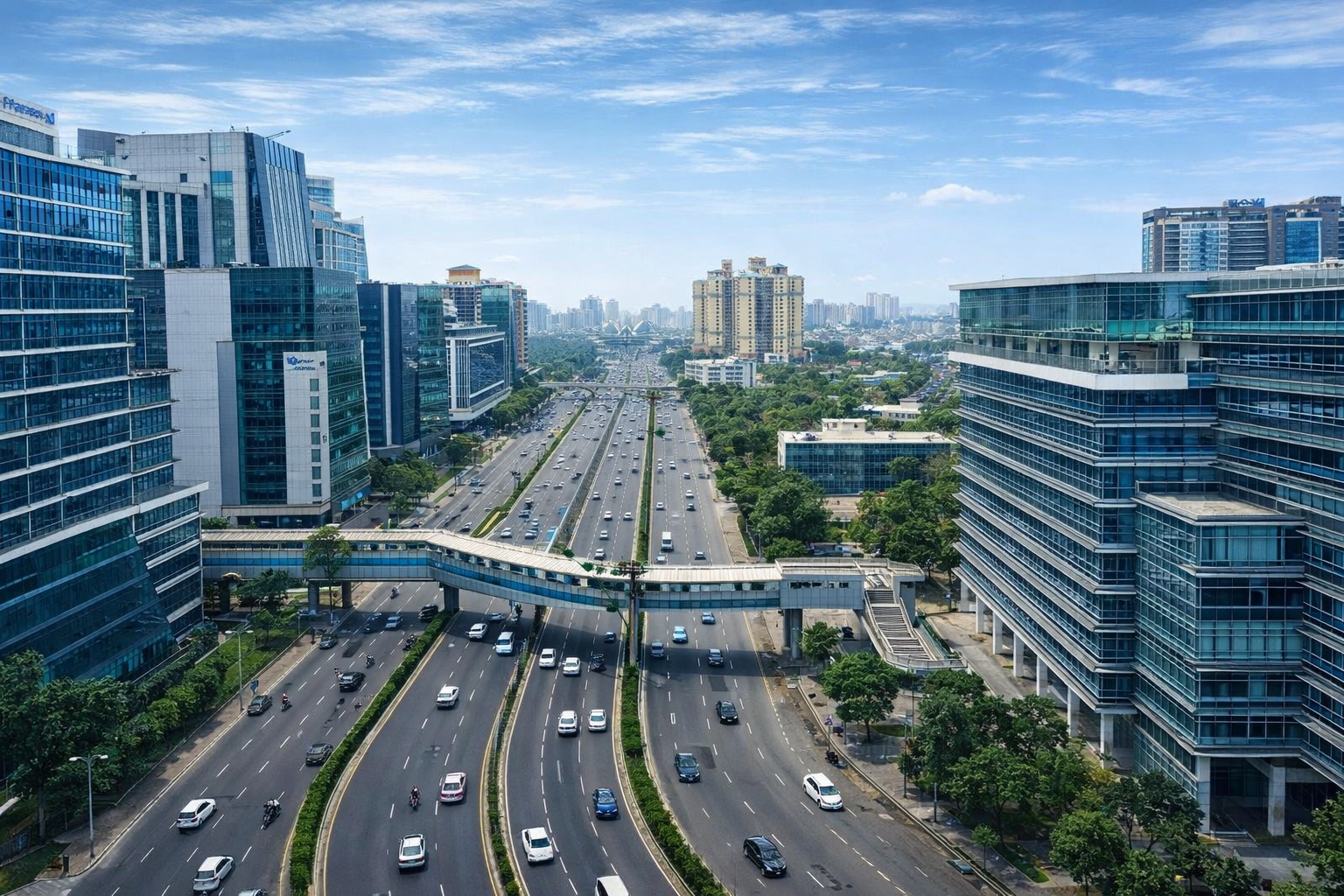
This is particularly relevant to emerging healthcare clusters in Delhi-NCR/Gurgaon, where hospitals, airports, corporate offices and high-quality residential infrastructure can converge.
The opportunity is therefore not merely to build “more hospitals.”
It is to build integrated Medical Value Travel ecosystems around them.