
How Are Senior Living Apartments Different from Retirement Homes: Understanding the Difference
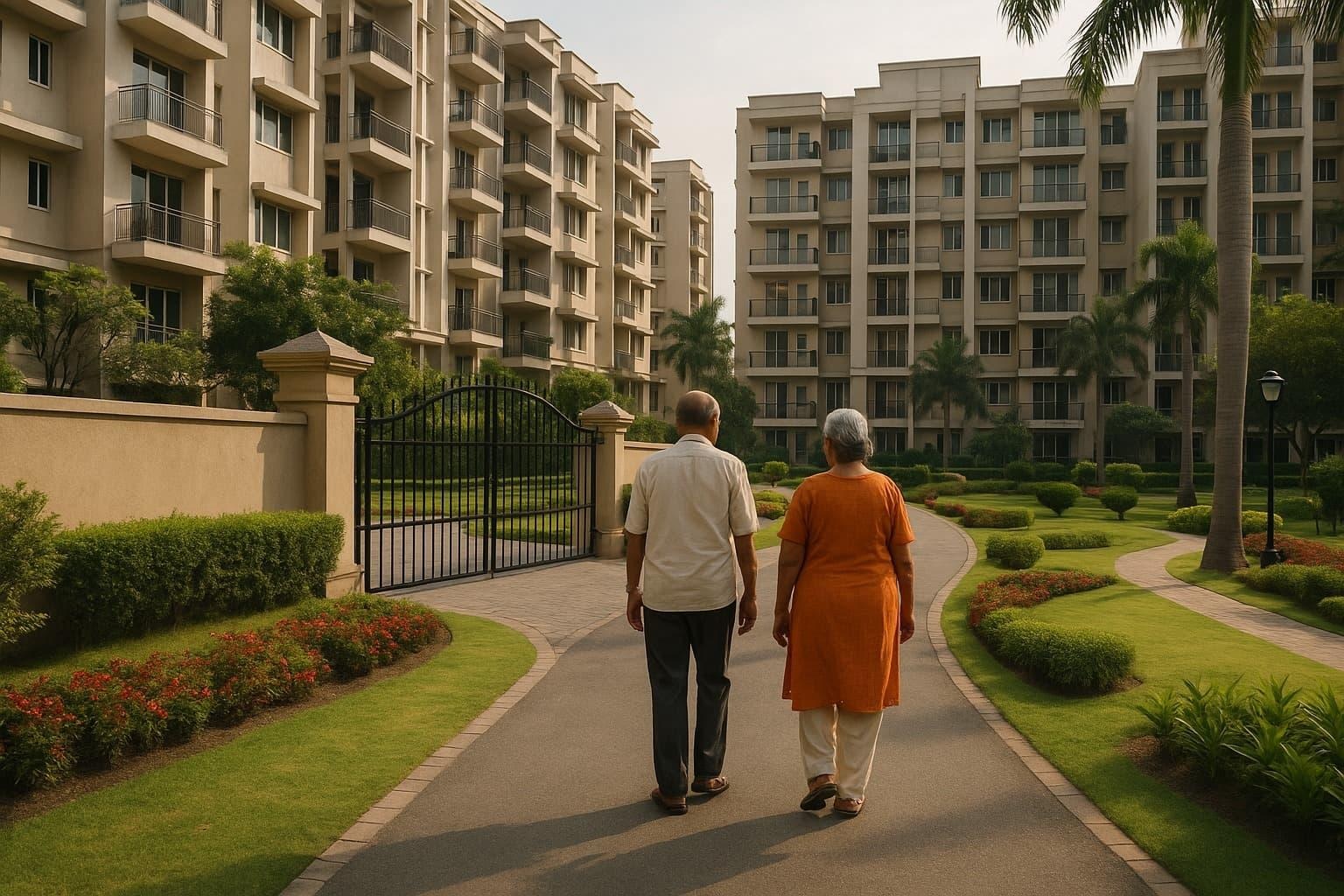
With the advancement of medical technology life expectancy has increased significantly. But, alongside with it there are economic forces which are constantly driving nuclearization of families and lifestyles continue to evolve, housing options for seniors are changing as well. Today, many families are looking beyond traditional arrangements and exploring modern living solutions that enable older adults to remain active, comfortable, socially connected, and independent.
Families today are exploring modern living solutions that allow older adults to remain active, comfortable, and independent. Two common options that often create confusion are senior living apartments and retirement homes. While both are designed for older adults, they serve very different purposes and lifestyles.
Understanding the difference between these two housing options can help families make better decisions for long-term comfort and care. This guide explains how senior living apartments differ from retirement homes in terms of independence, lifestyle, amenities, and living experience.
Senior living apartments are generally designed for older adults who are capable of living independently but prefer a community environment that offers convenience, security, recreation, and opportunities for social engagement. Residents typically have their own private living spaces while benefiting from shared amenities and selected support services.
Retirement homes, on the other hand, may cater to seniors who require a more
structured living environment, greater assistance with daily activities, or
access to healthcare and personal care services. The focus is often more
strongly oriented toward support, safety, and assisted living rather than
complete independence.
Understanding Senior Living Apartments
Senior living apartments are residential communities designed specifically for people typically aged 55 years and above who want to maintain an independent lifestyle. These apartments function much like regular residential homes but include thoughtful design features and amenities that make daily living easier for seniors.
The focus of
senior living apartments is independent living with convenience and community.
Residents live in their own apartments, manage their own schedules, and enjoy
privacy while still being part of a supportive environment.
Key characteristics of senior living apartments include:
Independent private residences
Age-friendly infrastructure
Social spaces and community activities
Safety-focused design elements
Access to
lifestyle amenities
Modern real
estate developers like Lamose Group are increasingly creating thoughtfully planned senior
communities that combine comfort, safety, and a vibrant lifestyle.
What Are Retirement Homes?
Retirement homes are typically designed for seniors who require more assistance with daily activities or medical care. These facilities focus on providing support services such as meals, housekeeping, health monitoring, and sometimes nursing care.
In retirement
homes, residents often live in managed accommodations, where the environment is
structured, and services are centrally organized. The goal is to provide
support for seniors who may not be able to manage all aspects of daily life
independently.
Common features of retirement homes include:
> Assisted living or medical supervision
> Shared facilities and managed services
> Meal plans and housekeeping support
> Healthcare monitoring
> Structured
routines and care programs
While
retirement homes provide essential support, they may offer less independence
compared to senior living apartments.
Key Differences Between Senior Living Apartments and Retirement Homes
Although both
options are designed for seniors, the lifestyle and experience they provide are
quite different. Below are the most important distinctions.
1. Level of Independence
The biggest difference lies in independence. Senior living apartments allow residents to live independently in their own homes. Seniors manage their own routines, cook their meals if they wish, and enjoy the freedom of daily living.
Retirement
homes, on the other hand, offer a care-based environment where services and
schedules may be more structured to provide assistance and supervision.
2. Living Environment
Senior living apartments function like regular residential communities. Residents have private apartments, access to common areas, and the flexibility to live as they prefer.
Retirement
homes often resemble care facilities or assisted living centers where residents
receive ongoing support.
3. Lifestyle and Activities
Senior living apartments focus heavily on active and social lifestyles. Communities usually include recreational areas, walking paths, wellness spaces, and social clubs that encourage engagement and interaction.
Retirement
homes prioritize care and assistance, so lifestyle activities may be limited
compared to independent senior communities.
4. Design and Infrastructure
Modern senior living apartments are designed with age-friendly architecture, including:
> Step-free access
> Wide corridors and doorways
> Anti-slip flooring
> Emergency response systems
> Well-lit spaces
These features ensure safety while maintaining a residential feel.
Retirement
homes also include safety features but are often designed more like healthcare
environments rather than lifestyle communities.
5. Services and Support
Senior living apartments usually provide optional support services, such as housekeeping, maintenance, and community management.
Retirement
homes typically include mandatory care services, including medical supervision,
meal services, and daily assistance.
Why Senior Living Apartments Are Becoming Popular?
In recent
years, senior living apartments have gained popularity because many seniors
prefer to remain independent while enjoying a supportive community environment.
Several factors are driving this trend:
> Growing senior population
> Changing family structures
> Desire for active retirement lifestyles
> Increased awareness about specialized senior housing
These
communities are designed to support both comfort and independence, making them
an attractive choice for modern retirees.
The Role of Planned Senior Communities
The government as well as real estate developers are recognizing the importance of creating spaces that cater specifically to the needs of older adults. Thoughtfully planned communities combine safety, lifestyle amenities, and social interaction to create a balanced living environment.
Real estate developers like Lamose Infra LLP are contributing to the evolution of modern residential spaces by focusing on suitable architecture, functional spaces, quality construction, planned communities, and senior living lifestyle-oriented developments. These real estate projects aim to create comfortable environments where residents of all age groups, including seniors, can enjoy a well-connected and secure living experience.
By integrating
modern infrastructure, green spaces, community amenities, and favourable ecosystem
from organizations like Lamose Group reflect how residential design is adapting
to changing lifestyle needs.
Concluding Thoughts
Senior housing options are evolving rapidly to meet the needs of modern lifestyles. While retirement homes provide essential care services for seniors who require assistance, senior living apartments focus on independent, comfortable, and community-driven living.
Understanding these differences helps seniors and families choose an environment that best supports their lifestyle and well-being. With the development of thoughtfully designed communities by trusted developers such as Lamose Group, seniors today have access to housing options that combine safety, comfort, and an active social life.
Choosing the right living environment can greatly enhance quality of life during retirement years, making it important to explore all available options before deciding.